

The shoe manufacturing industry has been a significant part of the global economy for centuries. From the early days of handcrafted shoes to the mass production techniques of the Industrial Revolution, the industry has evolved significantly over time. Today, the global shoe manufacturing industry is a multi-billion dollar business, with a wide range of companies producing footwear for various purposes, including athletic, casual, and formal wear. The industry is constantly evolving, with new technologies and innovations shaping the way shoes are designed, produced, and marketed. As consumer demands and preferences change, manufacturers are constantly seeking new ways to improve their processes and create innovative products that meet the needs of their customers.

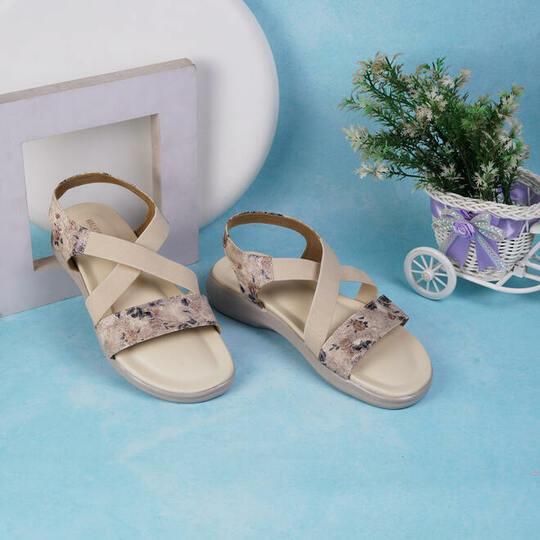
Revolutionizing Footwear: The Impact of 3D Printing
One of the most significant technological advancements in the shoe manufacturing industry in recent years has been the introduction of 3D printing. This revolutionary technology has transformed the way shoes are designed and produced, allowing for greater customization and flexibility in the manufacturing process. 3D printing has enabled shoe manufacturers to create intricate and complex designs that were previously impossible to produce using traditional manufacturing methods. This has opened up new possibilities for creating unique and personalized footwear that meets the specific needs and preferences of individual consumers. Additionally, 3D printing has also streamlined the production process, reducing waste and increasing efficiency in the manufacturing of shoes. As 3D printing technology continues to advance, it is expected to have an even greater impact on the shoe manufacturing industry, leading to further innovation and customization in footwear production.
Another significant impact of 3D printing on shoe production is its potential to reduce the environmental impact of manufacturing. Traditional shoe production methods often result in a significant amount of waste, as materials are cut and shaped to create the final product. With 3D printing, manufacturers can produce shoes with minimal waste, as the technology allows for precise and efficient use of materials. This not only reduces the environmental impact of shoe production but also lowers production costs for manufacturers. As sustainability becomes an increasingly important consideration for consumers, 3D printing technology offers a promising solution for creating eco-friendly footwear that meets the demands of environmentally conscious consumers.
Automation and Robotics in Shoe Manufacturing
In addition to 3D printing, automation and robotics have also played a significant role in transforming the shoe manufacturing industry. Automated production lines have streamlined the manufacturing process, increasing efficiency and reducing labor costs for manufacturers. Robotics have also enabled manufacturers to produce shoes with greater precision and consistency, leading to higher quality products that meet the demands of consumers. Additionally, automation has allowed for greater flexibility in production, as manufacturers can quickly adapt to changes in consumer demand and market trends. This has enabled companies to produce a wider range of products and respond more effectively to consumer preferences.
The integration of automation and robotics in shoe manufacturing has also led to improvements in worker safety and working conditions. By automating repetitive and physically demanding tasks, manufacturers have been able to reduce the risk of workplace injuries and create a safer working environment for their employees. This has not only improved the well-being of workers but also increased productivity and efficiency in the manufacturing process. As automation technology continues to advance, it is expected to further revolutionize the shoe manufacturing industry, leading to even greater improvements in production processes and product quality.
Sustainable Materials and Technology in Shoe Production
As consumer awareness of environmental issues continues to grow, there is an increasing demand for sustainable and eco-friendly products, including footwear. In response to this demand, shoe manufacturers have been exploring new materials and technologies that minimize the environmental impact of shoe production. Sustainable materials such as recycled plastics, organic cotton, and bio-based materials are being used to create footwear that is both environmentally friendly and high quality. Additionally, advancements in sustainable manufacturing technologies have enabled manufacturers to reduce their carbon footprint and minimize waste in the production process.
One of the most significant developments in sustainable shoe production has been the use of innovative materials such as algae-based foams and biodegradable polymers. These materials offer a promising solution for creating footwear that is both durable and environmentally friendly, meeting the demands of consumers who are seeking sustainable products. Additionally, advancements in sustainable manufacturing technologies have enabled manufacturers to reduce their carbon footprint and minimize waste in the production process. By integrating sustainable materials and technologies into their production processes, shoe manufacturers are not only meeting consumer demand for eco-friendly products but also contributing to a more sustainable future for the industry.
Customization and Personalization through Technology
Advancements in technology have also enabled shoe manufacturers to offer greater customization and personalization options for consumers. Through the use of digital design tools and advanced manufacturing techniques, manufacturers can create custom-fit footwear that meets the specific needs and preferences of individual consumers. This has opened up new possibilities for creating unique and personalized footwear that reflects the style and personality of each customer. Additionally, technology has enabled manufacturers to offer customization options such as color choices, material selections, and personalized designs, allowing consumers to create footwear that is truly one-of-a-kind.
The ability to offer customization and personalization options has not only enhanced the consumer experience but also increased brand loyalty and customer satisfaction. By allowing consumers to create footwear that is tailored to their individual preferences, manufacturers are able to build stronger connections with their customers and create products that resonate with their target audience. Additionally, customization options have also opened up new revenue streams for manufacturers, as consumers are often willing to pay a premium for personalized products that meet their specific needs. As technology continues to advance, it is expected that customization and personalization options will become even more prevalent in the shoe manufacturing industry, leading to further innovation and differentiation in the market.
The Role of Artificial Intelligence in Shoe Design and Production
Artificial intelligence (AI) has also played a significant role in transforming the shoe manufacturing industry, particularly in the areas of design and production. AI-powered design tools have enabled manufacturers to create more innovative and efficient footwear designs, leading to products that are both aesthetically pleasing and functional. Additionally, AI has also been used to optimize production processes, leading to greater efficiency and cost savings for manufacturers. By analyzing data and identifying patterns in consumer preferences, AI technology has enabled manufacturers to create products that better meet the needs of their target audience.
One of the most significant applications of AI in shoe manufacturing has been in predictive analytics, which has enabled manufacturers to forecast consumer demand more accurately and optimize their production processes accordingly. By analyzing data from various sources such as social media, online shopping behavior, and market trends, AI technology can provide valuable insights into consumer preferences and purchasing patterns. This enables manufacturers to produce footwear that is more aligned with consumer demand, reducing inventory costs and minimizing waste in the production process. As AI technology continues to advance, it is expected that its role in shoe design and production will become even more significant, leading to further improvements in product quality and market responsiveness.
The Future of Shoe Manufacturing: Virtual Reality and Augmented Reality Integration
Looking ahead, virtual reality (VR) and augmented reality (AR) are expected to play a significant role in shaping the future of shoe manufacturing. These immersive technologies offer new possibilities for product design, marketing, and consumer engagement, providing a more interactive and personalized experience for consumers. VR technology enables consumers to virtually try on shoes before making a purchase, providing a more realistic and engaging shopping experience. Additionally, AR technology can be used to create interactive product displays and marketing campaigns that capture consumer attention and drive sales.
The integration of VR and AR technology into the shoe manufacturing industry also offers new opportunities for product design and development. Designers can use VR technology to create virtual prototypes of footwear, enabling them to visualize designs in a more immersive and realistic environment. This not only streamlines the design process but also enables designers to experiment with new ideas and concepts more effectively. Additionally, AR technology can be used to create interactive product displays and marketing campaigns that capture consumer attention and drive sales.
In conclusion, the shoe manufacturing industry is undergoing significant transformation as a result of technological advancements such as 3D printing, automation, sustainable materials, customization options, AI technology, VR, and AR integration. These innovations have not only improved production processes but also enhanced product quality, consumer engagement, and sustainability within the industry. As technology continues to advance, it is expected that these trends will continue to shape the future of shoe manufacturing, leading to further innovation and differentiation in the market. By embracing these technological advancements, manufacturers can create products that better meet the needs of their customers while contributing to a more sustainable future for the industry as a whole.


